The Anxiety & Depression Association of America have some free resources to check out www.adaa.org Click the link below to watch a brief video describing anxiety vs. anxiety disorders
Anxiety
Saturday, February 28, 2015

How to Help Students Change Negative Thinking
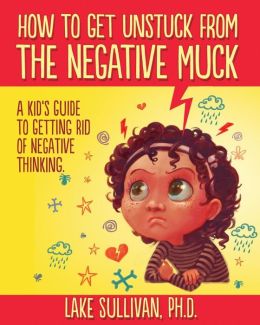
Sullivan's child-friendly guide to learning ways to cope with negative thinking offers some useful ideas for counselors. It explains that self-talk can be positive, neutral, or negative. If you have a client who is stuck in the negative muck - having a lot of negative thoughts about self, future, and even the world - this is a good resource. The book suggests having the student choose 3 positive statements, write them on separate sheets of paper, and decorate. For more ideas, check out the book.
Friday, February 27, 2015
Best Parenting Books on Anxiety


These are the 3 books I recommend most often to parents of children struggling with anxiety.
Anxiety-Free Kids, by Zucker, offers parents strategies that help children become happy and worry free, methods that relieve a child's excessive anxieties and phobias, and tools for fostering interaction and family-oriented solutions.
You and Your Anxious Child, by Albano, has moving case studies and brings much-needed hope to families, helping them shape a positive new vision of the future.
Thursday, February 26, 2015
Awareness is the first step in helping anxious students
Many children develop somatic complaints and feel sick to their stomach, light-headed , etc. who have nothing wrong physically, but are actually suffering from anxiety symptoms. At the beginning of counseling it is important that students understand anxiety - its a lie or a trick the brain is playing. The brain is sending a false alarm that makes the person want to fight, flee, or freeze. Many people try to avoid the source of anxiety (i.e., separating from parent) when avoiding dealing with the stressors will actually make the anxiety stronger. If you want to learn more I am doing an ASCA Webinar, Monday, March 2 at 10 am. Here is link to sign up Help Students Reduce Anxiety
Monday, February 23, 2015
Using a chime for focused-attention practice

When I begin a group session I often calm the students settle by inviting them to close their eyes (or look down) and breathe slowly while they listen to this chime. The first time I do it I tell them to raise their hand when they can no longer hear it. I have used in in class lessons too but I don't use it consistently. Sound is a good strategy for engaging a peaceful attitude and this chime I bought on Amazon is very soothing.
Friday, February 20, 2015
A Bug and a Wish


I was very please when "A Bug and a Wish" by K. Scheuer was published in 2014. I have taught the Bug and Wish strategy to students for years but it is always nice to have a book that shows how to apply the strategy directly as the stimulus for the session or lesson. I borrowed the bug cut outs from The Learning Tree idea that is on Pinterest; however, on the wing on the right I had them say what they want the other person to do. For example, in the book the boy says "It BUGS me when you tease me, and I WISH
you would stop." I don't read it that way, instead I break it in 3 parts: It BUGS me - when you tease me - I want you to say nice things or don't talk to me." After we read and discuss the book (the illustrations are very expressive of the feelings the characters are experiencing), I give each student a premade bug. On one wing they write "It BUGS me", on the white circle they write a conflict they have, and on the other wing they write the words that say what they want to happen instead. For example, one of my students wrote "It bugs me when you wreck my legos, and I want you to keep your hands off my legos." I did this activity this quarter with kindergarten students in friendship groups. I think it would fit better with grade 1 students who have a little better writing skills. I always have the students say their idea out loud first because if it is serious (big deal) problem this is not the right strategy. For example if they say what bugs them is someone hitting them, we talk about that is something that needs to be reported to an adult. This strategy is for (little deal) kid size problems. I hand their bugs in my office until the group ends and then send them home with all the work from the group. The craft really helps them remember the strategy and they love these cute bugs. When the bugs go home I send a note to parents about the strategy so they can reinforce it at home. I also share it with teachers.
Wednesday, February 18, 2015
Channeling Boys Feelings Effectively

I have had the pleasure of seeing Rosalind Wiseman present 3 times. She is an internationally recognized expert on girl bullying, but has spent the last several years explaining the "Boy World" to audiences. You can watch her basic talk on You Tube about helping boys based on her research for Masterminds & Wingmen Wiseman on helping boys cope The part of her talks and book I find most useful is the SEAL structure to put words to feelings and develop a strategy to approach another person. SEAL stands for
1. STOP and SET it UP
2 EXPLAIN
3 AFFIRM and ACKNOWLEDGE
4 LOCK in
I think teaching the SEAL process of upper elementary and middle school boys is very valuable. I encourage you to read this book. I have recommended it to many parents (especially mothers) to give them insight into their sons.
Subscribe to:
Posts (Atom)